

Bangladesh secures reduced tariff in US trade deal
Bangladesh has secured a reduced 19% tariff under a trade agreement signed with the United States on Monday, granting exemptions for some textiles and garments manufactured with US material.
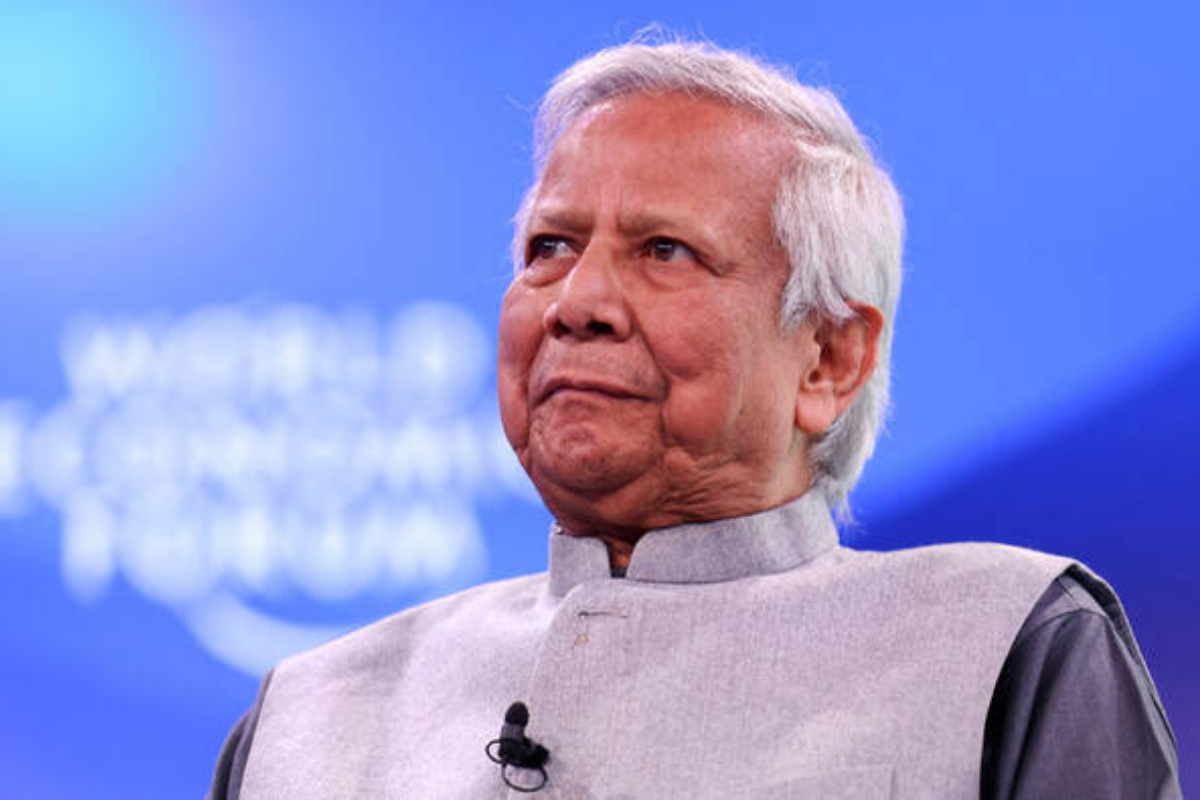
Muhammad Yunus, chief advisor heading Bangladesh’s interim government, said Washington had “committed to establishing a mechanism for certain textile and apparel goods from Bangladesh using US-produced cotton and man-made fiber to receive zero reciprocal tariff in (the) US market.”
The White House said Bangladesh had agreed to provide significant preferential market access for US industrial and agricultural goods, including chemicals, medical devices, machinery and motor vehicles and parts, soy products and dairy goods, beef, poultry, tree nuts and fruit.
Bangladesh will also ease non-tariff barriers by accepting US vehicle safety and emissions standards, recognising US Food and Drug Administration certifications and removing import restrictions on remanufactured goods, the White House added.
The nations also noted recent and upcoming commercial deals including aircraft procurement, around $3.5 billion in purchases of US agricultural products, and an estimated $15 billion in US energy product purchases over 15 years.
According to the agreement released by the US Trade Representative’s office, Biman Bangladesh Airlines intends to purchase 14 Boeing aircraft, with options for additional purchases. The airline first announced a Boeing order last July as negotiations were underway.
Bangladesh also will purchase an unspecified amount of US military equipment and limit purchases from certain countries. The low-wage country also pledged to uphold internationally recognized labour rights and strengthen environmental protections.
Yunus said the agreement followed nine months of negotiations that began in April last year.
In August, Bangladesh had secured a reduction in US tariffs on its exports to 20%, down from 37% initially proposed by Washington, offering much-needed relief to the nation’s apparel exporters.
Bangladesh’s tariff rate is slightly above the 18% rate for imports from India agreed last week by the Trump administration, but that deal requires more negotiations to be finalized.
US Trade Representative Jamieson Greer said that Bangladesh was the first country in South Asia to complete a reciprocal trade deal with the US, and “marks a meaningful step forward in opening markets, addressing trade barriers, and creating new opportunities for American exporters.