

BNP secures two-thirds majority in Bangladesh election
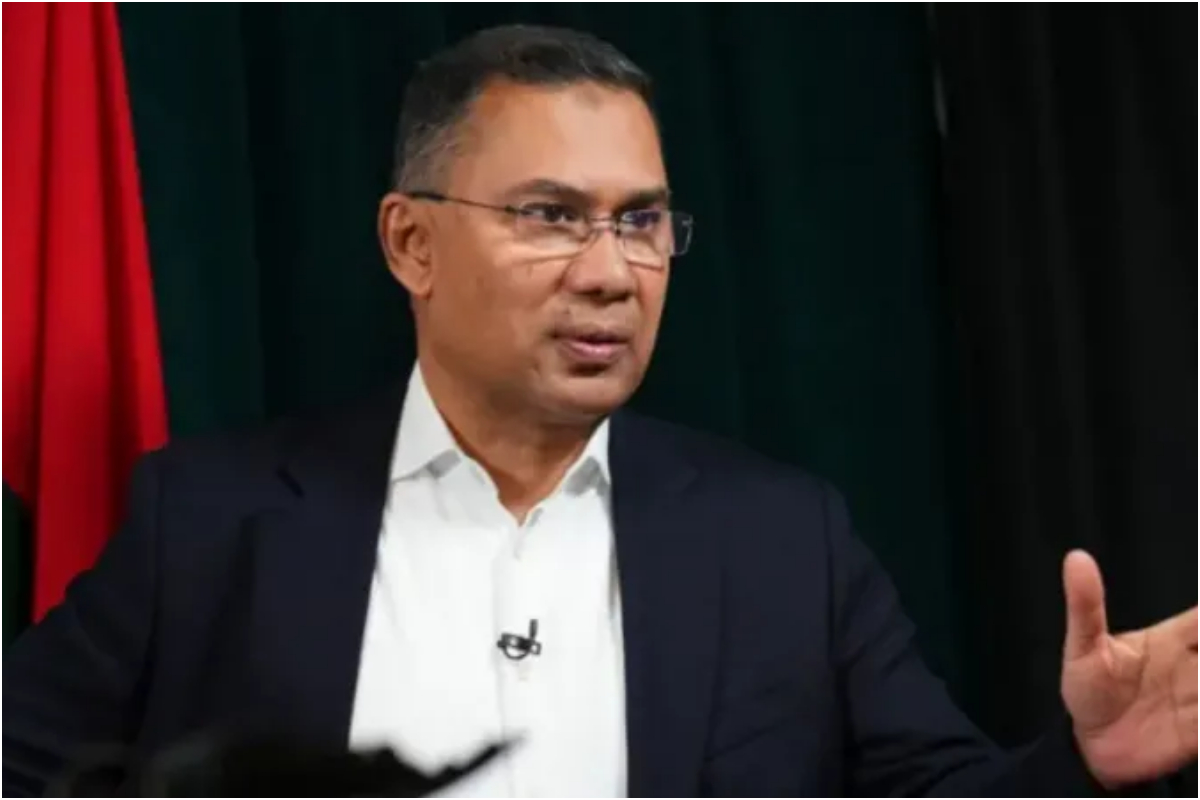
The Bangladesh Nationalist Party (BNP) won an overwhelming two-thirds majority on Friday in general elections, a result expected to bring stability after months of tumult following the ouster of former Prime Minister Sheikh Hasina in a Gen Z-led uprising in 2024.
The BNP won an overwhelming two-thirds majority in the general elections. The opposition Jamaat-e-Islami and its allies won 70 seats in the Jatiya Sangsad, or House of the Nation.
The Election Commission put the BNP at 181 seats, the Jamaat-e-Islami at 61 and others at 7, while full official results have not been released
The BNP, which returns to power after 20 years, thanked the people soon and called for special prayers on Friday for the nation and its people. The parry said “no celebratory procession or rally shall be organized” despite winning by a large margin of votes.
The National Citizen Party (NCP), led by youth activists who played a key role in toppling Hasina and was a part of the Jamaat-led alliance, won just five of the 30 seats it contested.
The polls bring stability to the nation after months of deadly anti-Hasina unrest disrupted everyday life and industries such as garments. Bangladesh is second largest exporter globally.
BNP leader Tarique Rahman is widely expected to be sworn in as prime minister. The son of the party’s founder, former president Ziaur Rahman, he returned in December to Dhaka from 18 years abroad.
In its manifesto, the BNP promised to prioritise job creation, protect low-income and marginal households and ensure fair prices to farmers.
The Jamaat-e-Islami conceded defeat late on Thursday night, but said in a statement that it was “not satisfied” with the process and asked its followers to stay patient.
The BNP win with more than 200 seats is one of its biggest, surpassing its 2001 victory with 193, although Hasina’s Awami League, which ruled for 15 years and was barred from contesting this time, secured a bigger tally of 230 in 2008.
Turnout exceeded the 42% of the last election in 2024, with media nearly 60% of registered voters participated in the election on Thursday.
More than 2,000 candidates, many independents among them, were on the ballot, which featured a record number of at least 50 parties. Voting in one constituency was postponed after a candidate died.
According to local media, more than 2 million voters chose “Yes”, while more than 850,000 said “No” in a referendum on constitutional reforms held alongside the election, but there was no official word on the outcome.
The changes include two-term limits for prime ministers and stronger judicial independence and women’s representation while providing for neutral interim governments during election periods, and setting up a second house of the 300-seat parliament.