

US to stop collecting tariffs declared illegal by Supreme Court
The US Customs and Border Protection agency said it will halt collections of tariffs imposed under the International Emergency Economic Powers Act on Tuesday, more than three days after the US Supreme Court declared the duties illegal.
The agency said in a message to shippers on its Cargo Systems Messaging Service (CSMS) that it will de-activate all tariff codes associated with President Donald Trump’s prior IEEPA-related orders as of Tuesday.
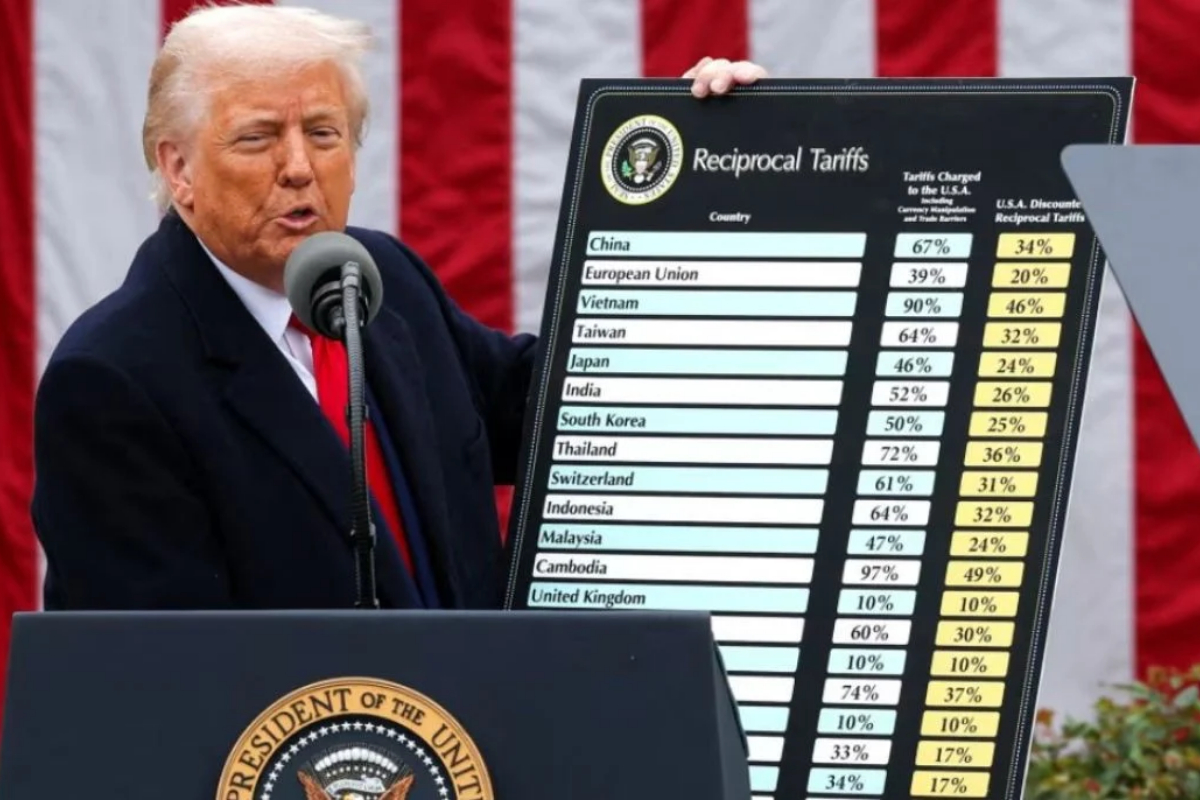
The IEEPA tariff collection halt coincides with Trump’s imposition of a new, 15% global tariff under a different legal authority to replace the ones struck down by the Supreme Court.
The message noted that the collection halt does not affect any other tariffs imposed by Trump, including those under the Section 232 national security statute and the Section 301 unfair trade practices statute.
“CBP will provide additional guidance to the trade community through CSMS messages as appropriate,” the agency said. It offered no information about possible refunds for importers.
According to a report by Reuters, the decision made more than $175 billion in US Treasury revenue generated by the IEEPA tariffs subject to potential refunds, based on an estimate by Penn-Wharton Budget Model economists.
Their estimate from a ground-up forecasting model showed that IEEPA-based tariffs were generating more than $500 million per day in gross revenue.
Meanwhile, the European Commission demanded that the United States stick to the terms of an EU-US trade deal reached last year, after the Supreme Court struck down Donald Trump’s global tariffs and he responded with new levies across the board.
The Commission, which negotiates trade policy on behalf of the 27 EU member states, said Washington must provide “full clarity” on the steps it intends to take following the court ruling.
After the court struck down Trump’s global tariffs on Friday, the US president announced temporary, across-the-board tariffs of 10%, which he then hiked to 15% a day later.
“The current situation is not conducive to delivering ‘fair, balanced, and mutually beneficial’ transatlantic trade and investment, as agreed to by both sides” in the joint statement setting out the terms of last year’s trade agreement, the Commission said. “A deal is a deal.”
Last year’s trade deal set a 15% US tariff rate for most EU goods, apart from those covered by other sectoral tariffs such as on steel. It also allowed zero tariffs on some products such as aircraft and spare parts. The EU agreed to remove import duties on many US goods and withdrew a threat to retaliate with higher levies.
“In particular, EU products must continue to benefit from the most competitive treatment, with no increases in tariffs beyond the clear and all-inclusive ceiling previously agreed,” the EU executive said, adding that unpredictable tariffs were disruptive and undermined confidence across global markets.
It said that EU Trade Commissioner Maros Sefcovic had discussed the issue with US Trade Representative Jamieson Greer and Commerce Secretary Howard Lutnick on Saturday.